

Iowa Expands Network of Hydrostations to the Tune of $500,000
Iowa is adding $500,000 in new hydrostations to a statewide network designed to give researchers, farmers, and emergency managers a better picture of what is happening with water across the state.

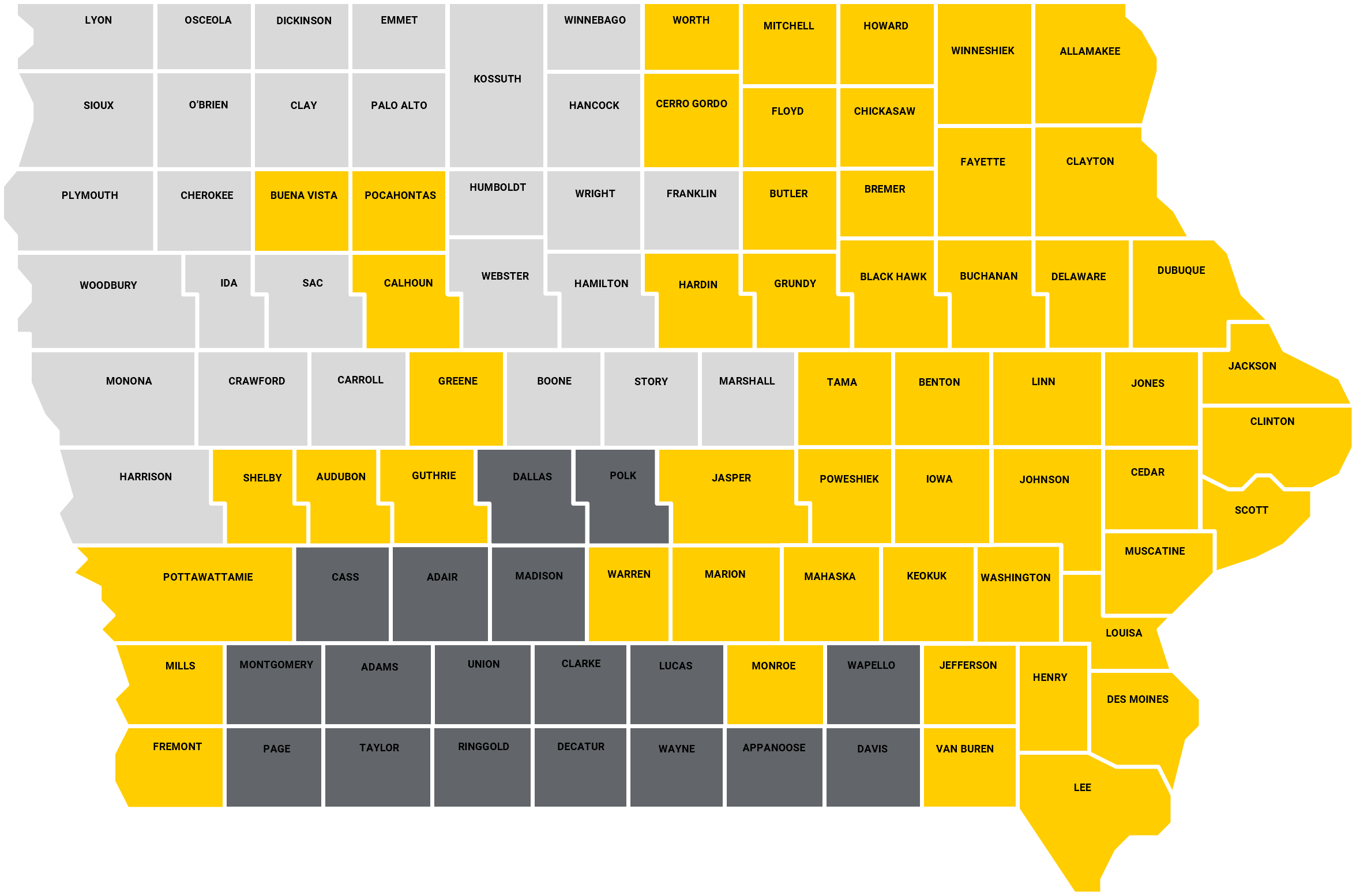
The Iowa Flood Center at the University of Iowa is receiving federal Community Project Funding for the expansion of 18 stations. The new stations will be placed in 18 counties that currently do not have a hydrostation, across Iowa's Third Congressional District. The additions are expected to give all 21 counties in that district access to hydrostation coverage.
The expansion will generally fill in areas of central and western Iowa where the network is currently thinner. The expansion is part of a larger effort by the Iowa Flood Center to eventually have a hydrostation in every Iowa county.
So, with these expansions, what does a hydrostation do?
I'm sure you've seen them and maybe not even realized what they are exactly. The stations are about eight feet tall and solar powered. They collect rainfall, soil moisture, soil temperature and shallow groundwater measurements. The information is transmitted back to the Iowa Flood Center, where it can be viewed and analyzed in near real time.
For farmers, they provide a better picture of how much water is actually in the soil, not just how much rain has fallen. Soil moisture measurements are updated about every 15 minutes, giving farmers and researchers a much more detailed view of conditions across the state.
The stations also help emergency managers understand how much rain a landscape can absorb before water begins moving rapidly into streams and rivers. That information improves our states flood and flashflood forecasting and response. However, flood management is only part of the equation.
The Iowa Flood Center is also using the growing network to improve drought monitoring. By combining information from the new hydrostations with data from stream gauges and other monitoring systems, researchers can get a more complete picture of water conditions across Iowa.
The goal is to turn individual measurements into a broader picture of water conditions across Iowa. The data can also help researchers study groundwater, soil conditions, and water quality. In regard to water quality, both nitrates and phosphates are of concern, especially when looking at local cancer rates.
In addition to the 18 new stations, the Iowa Flood Center already operates more than 50 hydrostations. For farmers and emergency managers, more stations mean more local information to help prepare for floods and droughts. For researchers, it creates a larger, real-time record of how water moves through Iowa's soil, groundwater, and streams.
The $500,000 investment is ultimately about building a more complete picture of Iowa's water conditions. With ag being a major economic boon, water continues to be ever important in Iowa. The state goes from periods of excessive rainfall and flooding to extended stretches of drought, while agriculture and communities continue to face concerns about groundwater and water quality. These hydrostations provide the real-time information needed to understand those changes as they occur.
As Iowa's weather and water challenges become more difficult to predict, the growing hydrostation network has become an essential tool for finding where water is, where it is going, and how it could impact the people and communities that depend on it.
LOOK: The most expensive weather and climate disasters in recent decades
Gallery Credit: KATELYN LEBOFF